
Knee Pain Physiotherapy in Gujrat
Knee pain can stop you climbing stairs, sitting on the floor, playing sport or walking as far as you would like. Whether it came on after an injury or built up over time, a careful assessment helps us understand the cause and plan the right exercise-based treatment.

About Knee pain
Pain around or behind the kneecap is common in active people and is often linked to how the knee is loaded during stairs, squatting and running. Other knee problems include ligament and meniscus injuries after a twist, tendon pain below the kneecap and age-related changes in the joint.
Strength in the thigh and hip muscles plays a big part in how comfortable the knee feels, which is why exercise is central to most knee treatment.
How physiotherapy can help
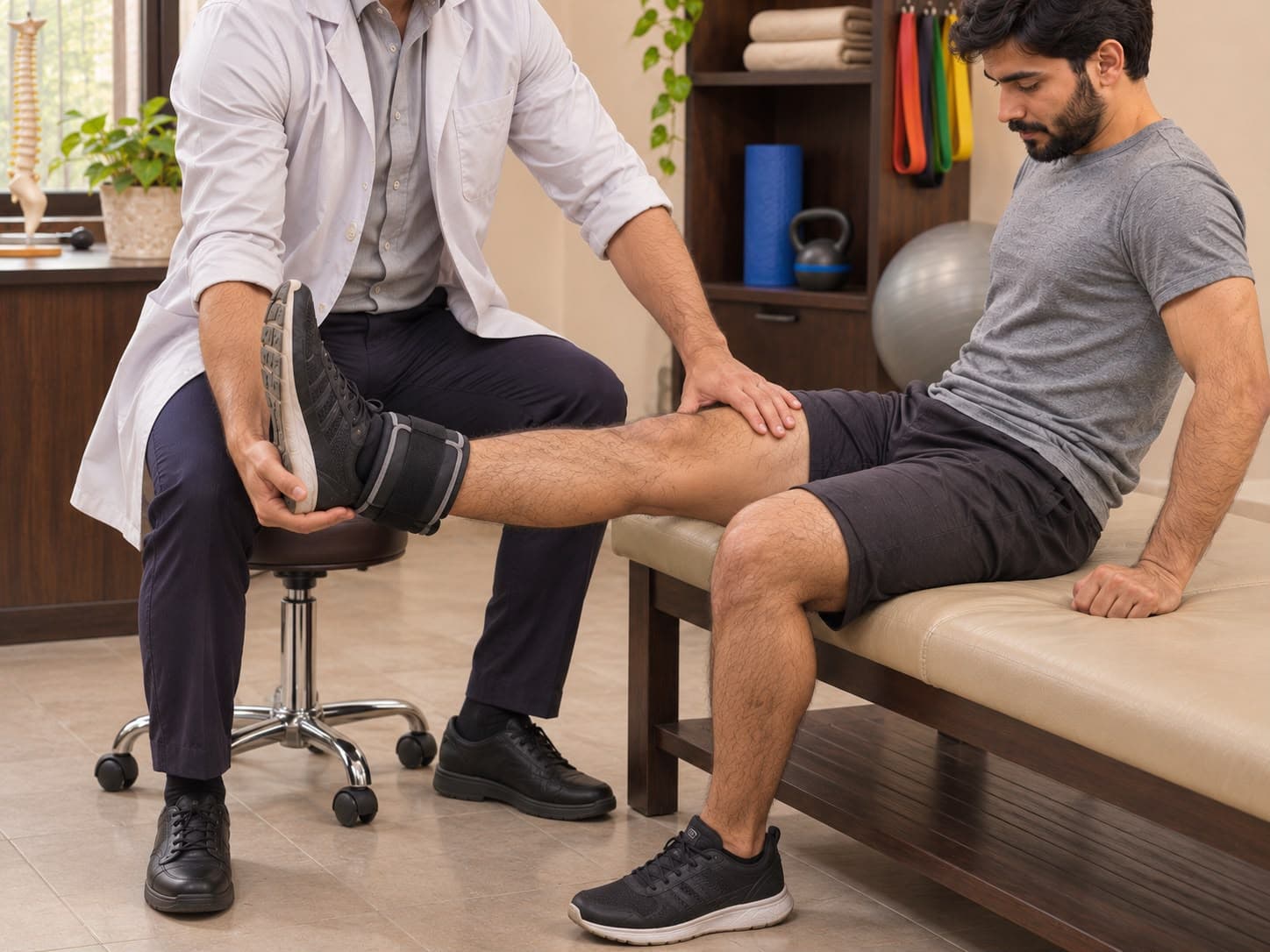
We examine the knee's movement, swelling, ligaments and strength, and look at how you walk, squat and use stairs.
Treatment usually includes strengthening for the thigh and hip, a gradual return to the activities you need, and advice on managing load. Manual therapy may help with stiffness. If your assessment suggests an injury that needs a scan or a specialist's opinion, we tell you.
Common symptoms
- Pain on stairs, squatting or kneeling
- Pain around or behind the kneecap
- Swelling or stiffness
- The knee giving way
- Clicking or catching
- Pain after sitting for long periods
Common causes
- A twisting injury during sport or a fall
- A sudden increase in running, walking or training
- Weak thigh and hip muscles
- Age-related changes in the joint
- Extra body weight, which increases the load on the knee
Questions about Knee pain
Is it safe to use stairs with knee pain?
Usually, yes. We may suggest a temporary change, such as leading with the stronger leg going up, while your knee gets stronger.
Can physiotherapy help a meniscus tear?
Many meniscus tears, especially those that develop gradually, respond well to exercise-based rehabilitation. Some, such as a knee that locks and will not straighten, need a surgeon's opinion.
Can I sit on the floor or pray normally with knee pain?
Kneeling and sitting on the floor can be painful at first. We can suggest adjustments in the meantime and work towards the movement you need as your knee improves.
This page is general information, not a diagnosis. Your assessment decides what treatment, if any, is right for you. Reviewed by Dr. Talha Mahboob, DPT, on 8 November 2026.
Treatment we use
All services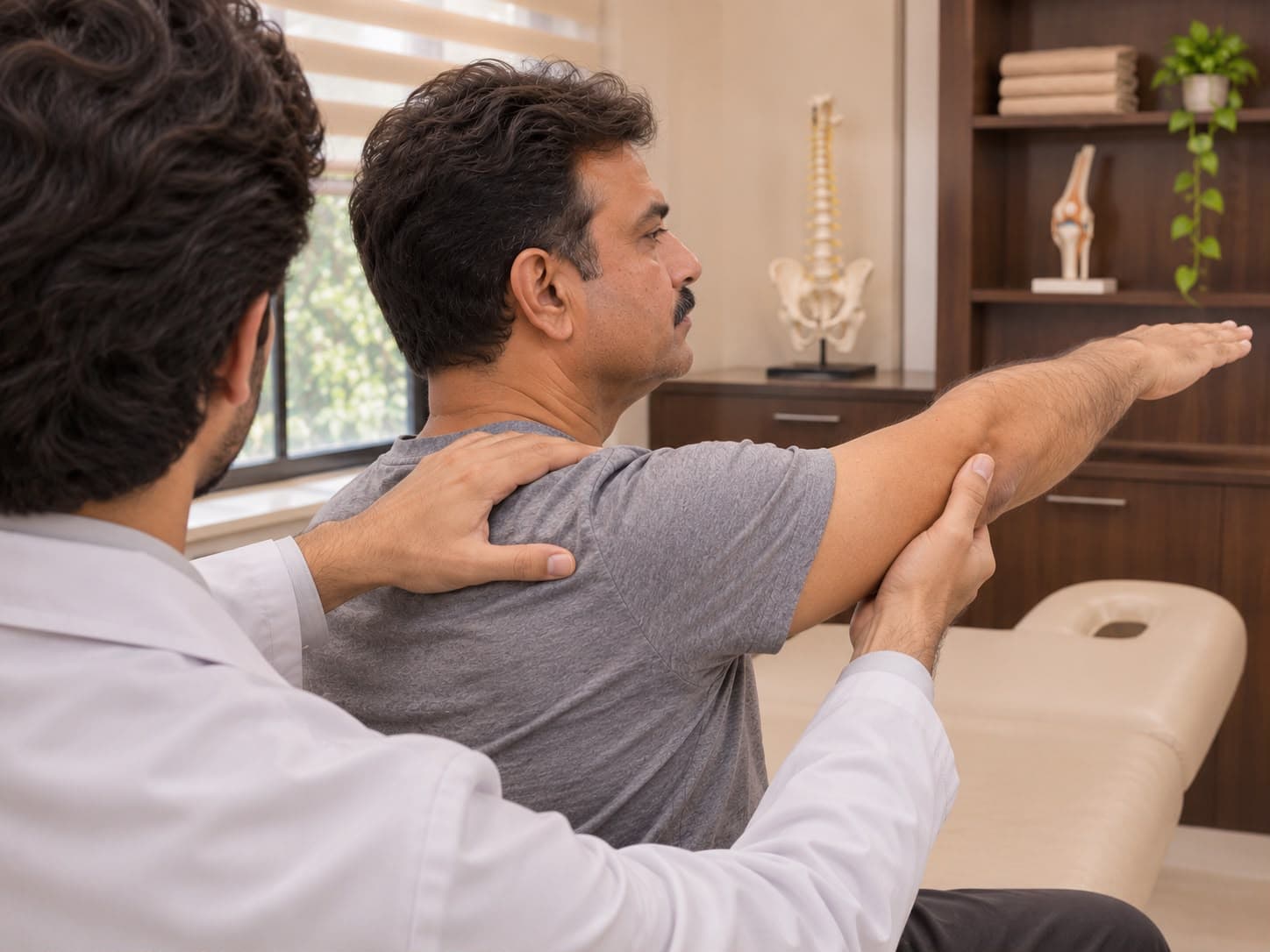
Musculoskeletal Physiotherapy
Back, neck and joint pain
Pain, stiffness and limited movement in muscles, joints and spine.

Sports and Exercise-Related Injury Rehabilitation
Sports injuries
A graded, safe return to sport and training.
Therapeutic Exercise and Functional Rehabilitation
Strength and recovery
Supervised exercise to rebuild strength and everyday function.
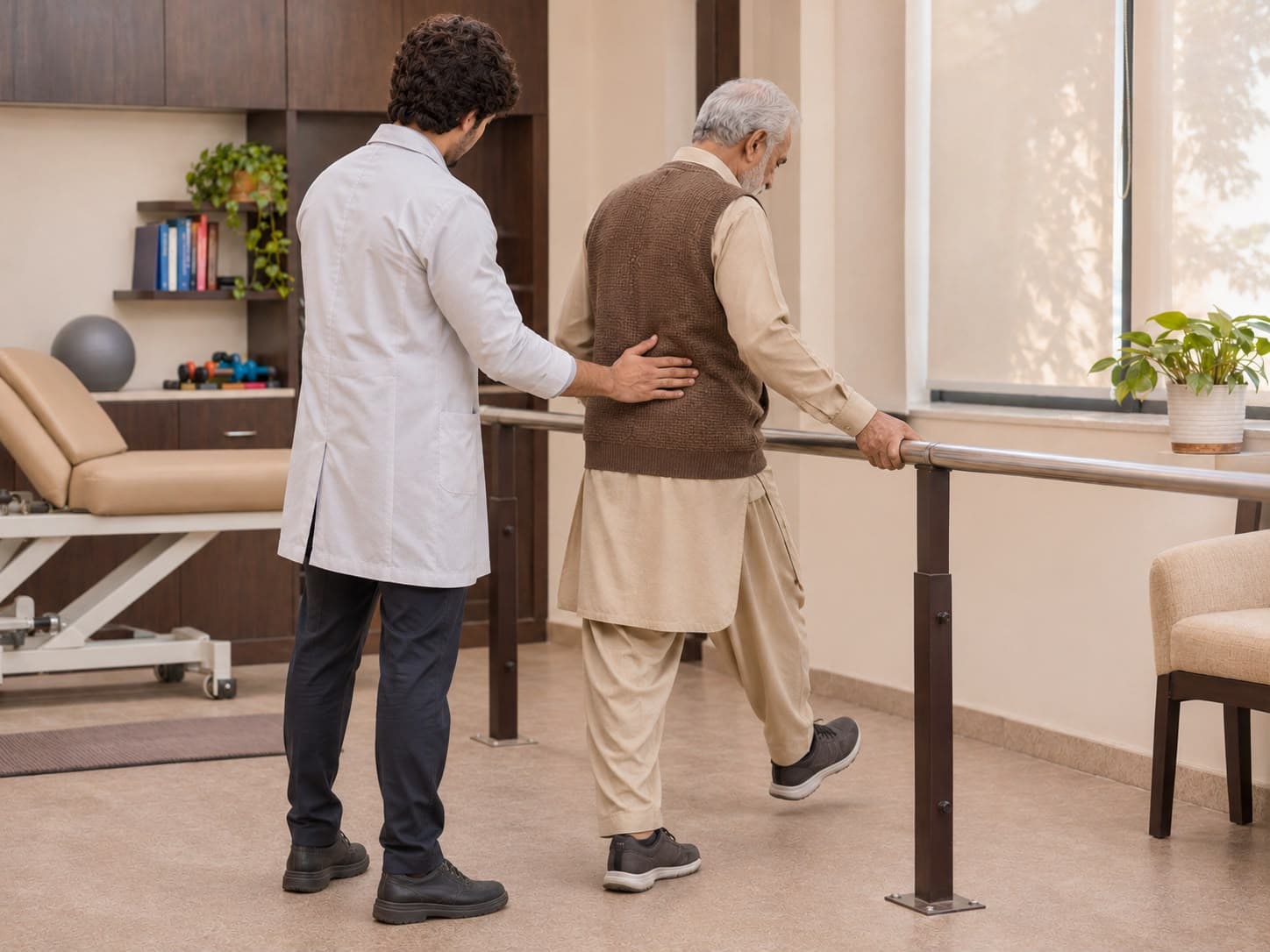
Orthopedic and Post-Surgical Rehabilitation
After surgery or a fracture
Staged rehabilitation to restore movement and strength safely.