
Muscle Strain Treatment in Gujrat
A muscle strain, often called a pulled muscle, happens when muscle fibres are overstretched or torn. It is common in sport, but also happens at work or during everyday tasks. Most strains heal well when the muscle is loaded gradually and you return to activity in steps.
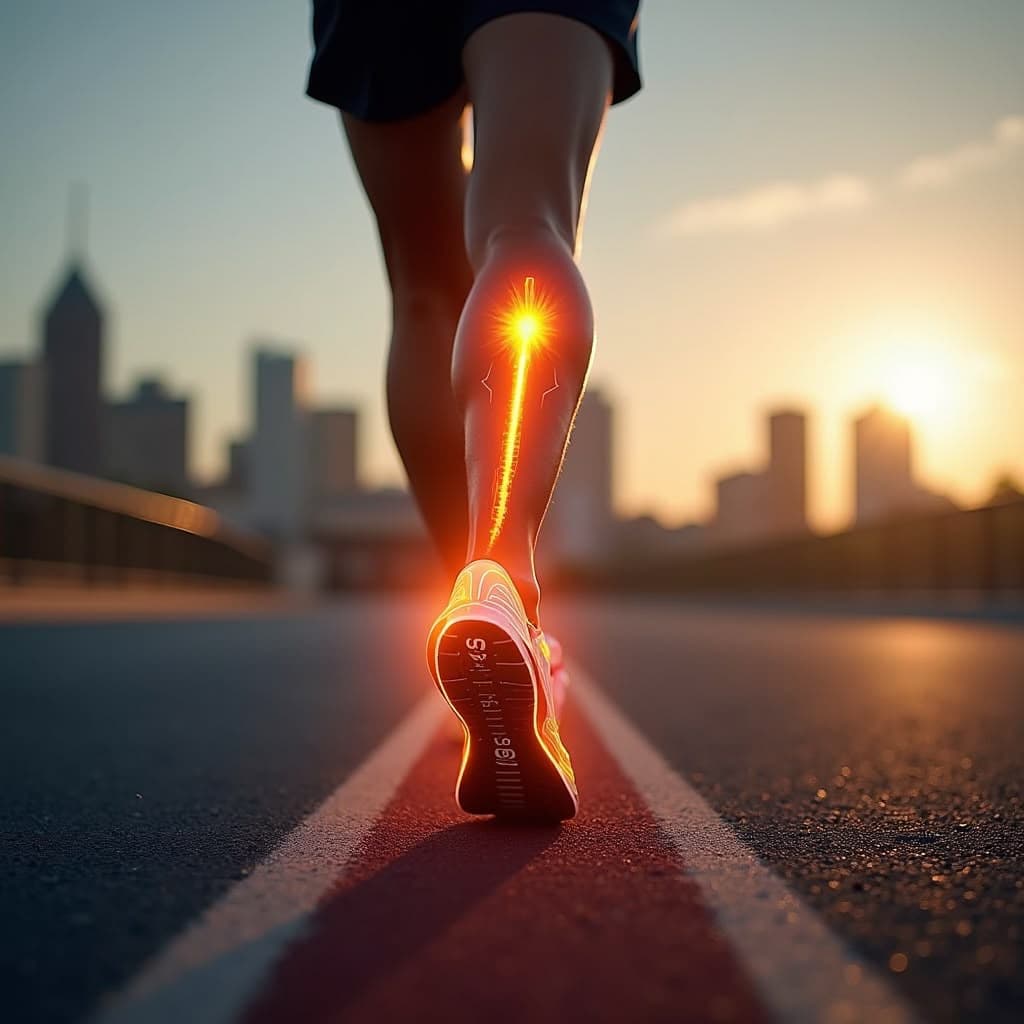
About Muscle strain
Strains most often affect the hamstrings, calf, groin, thigh and back muscles. You may feel a sudden sharp pain or a pop during activity, followed by tenderness, tightness and sometimes bruising.
Strains range from mild to severe. A mild strain may settle in a couple of weeks; a more significant tear takes longer and benefits from a planned return to sport or heavy work, because re-injury is common when people go back too soon.
How physiotherapy can help
We assess the injured muscle's strength and flexibility, judge how severe the strain is, and check for signs that need further investigation.
Treatment follows a stepped programme: settling pain early, then progressive strengthening and flexibility work and, for sport, running and sport-specific drills. Dry needling or cupping may help with muscle tightness. We use clear checks to decide when you are ready to return to full activity.
Common symptoms
- Sudden pain during activity
- Tenderness and sometimes bruising
- Tightness or pain when stretching the muscle
- Weakness when using the muscle
- Pain when walking, running or lifting
Common causes
- Sprinting, kicking or sudden changes of direction
- Lifting or pulling a heavy load
- Not warming up
- Fatigue late in a game or a long shift
- A previous strain in the same muscle
Questions about Muscle strain
Should I stretch a pulled muscle?
Gentle movement helps, but strong stretching in the first days can aggravate a fresh strain. We guide when and how much to stretch.
When can I play again?
It depends on the muscle and how severe the strain is. Returning when strength and speed are back, not just when the pain has gone, reduces the risk of re-injury.
Should I use ice or heat?
Ice can help with pain in the first days. After that, many people find heat soothing. Neither replaces progressive exercise.
This page is general information, not a diagnosis. Your assessment decides what treatment, if any, is right for you. Reviewed by Dr. Talha Mahboob, DPT, on 8 November 2026.
Treatment we use
All services
Sports and Exercise-Related Injury Rehabilitation
Sports injuries
A graded, safe return to sport and training.
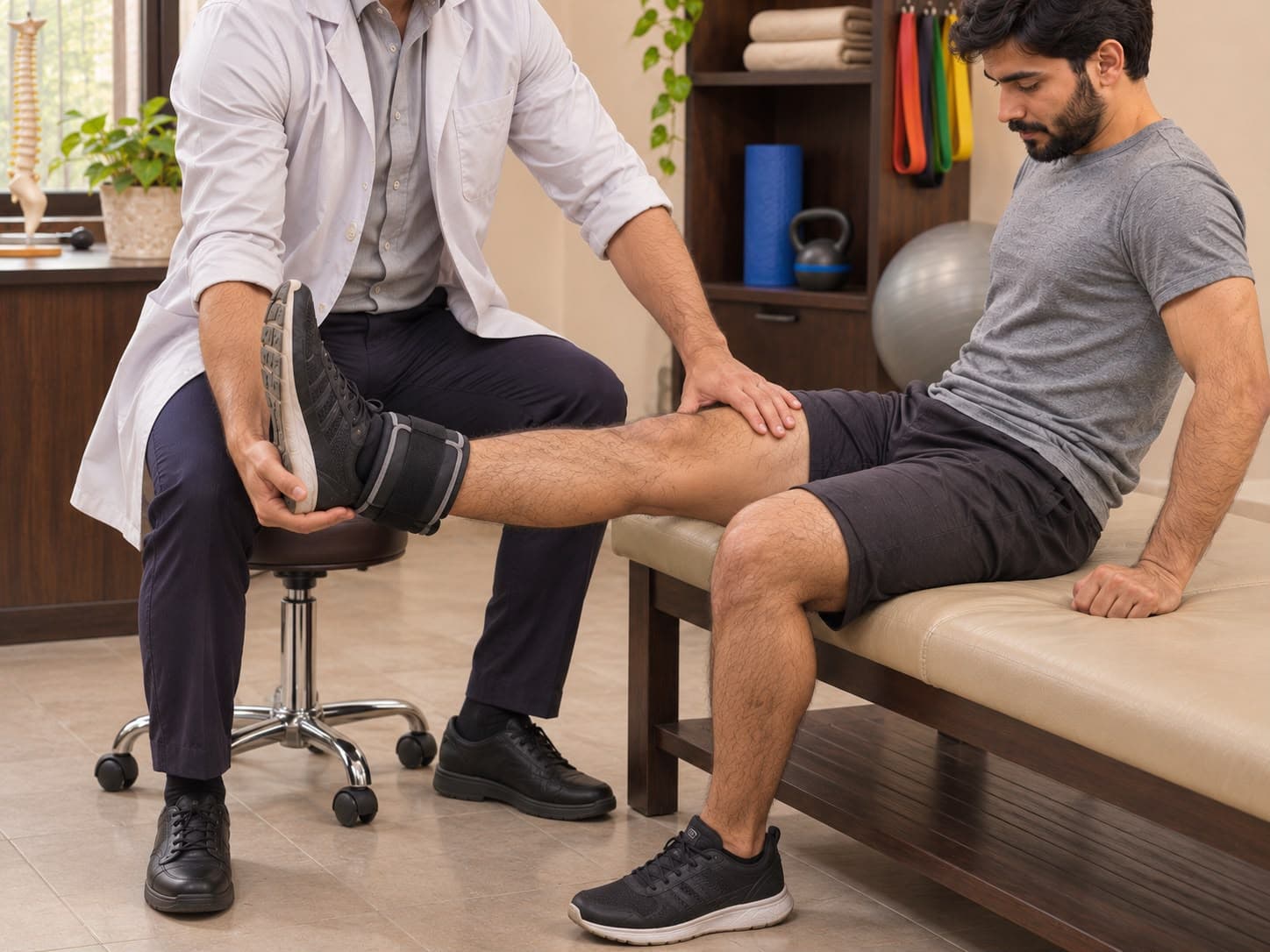
Therapeutic Exercise and Functional Rehabilitation
Strength and recovery
Supervised exercise to rebuild strength and everyday function.
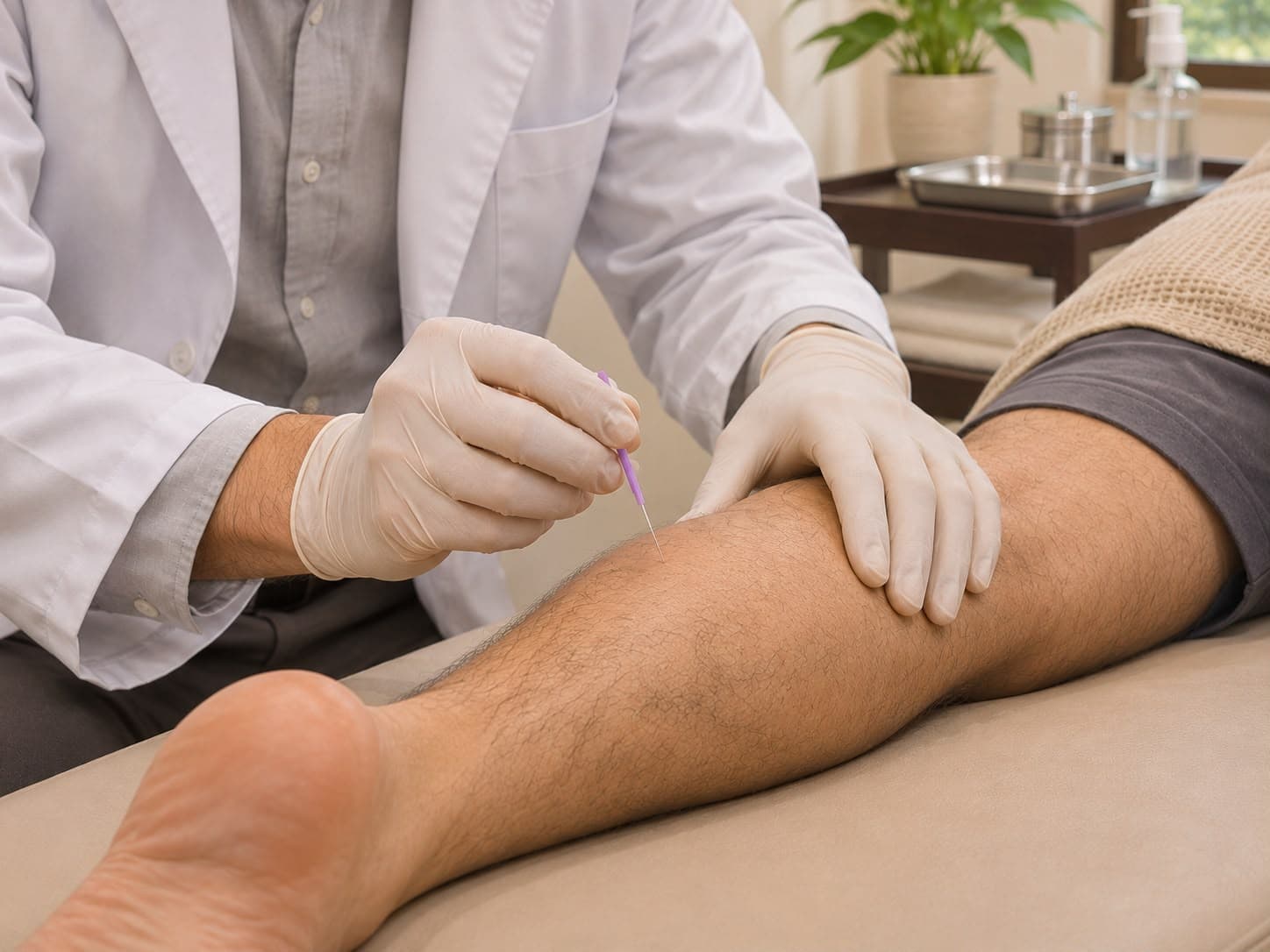
Dry Needling
Dry needling
Fine sterile needles to release tight, painful muscle points.

Dry Cupping Therapy
Dry cupping
Suction cups for muscle tension. Dry only, no hijama.